Waste2Nano has announced the launch of its proprietary Wastewater-Cooled AI platform, a modular system that integrates wastewater infrastructure with AI and data center cooling and “waste mining” of wastewater solids into advanced materials. The company says the approach is intended to reduce freshwater demand for cooling, lower biosolids and sludge liabilities, and enable domestic production of high-value advanced materials.
Waste2Nano says it designs and builds custom modular systems that connect to existing wastewater treatment plant and data center infrastructure “without disrupting core treatment operations.” The company reports its first deployment is planned at 10,000–20,000 m³/day (about 5 MGD) capacity and is designed to produce “a few tons per day” of MC and nanocellulose. Waste2Nano says it holds new proprietary intellectual property and is “pilot-ready.”
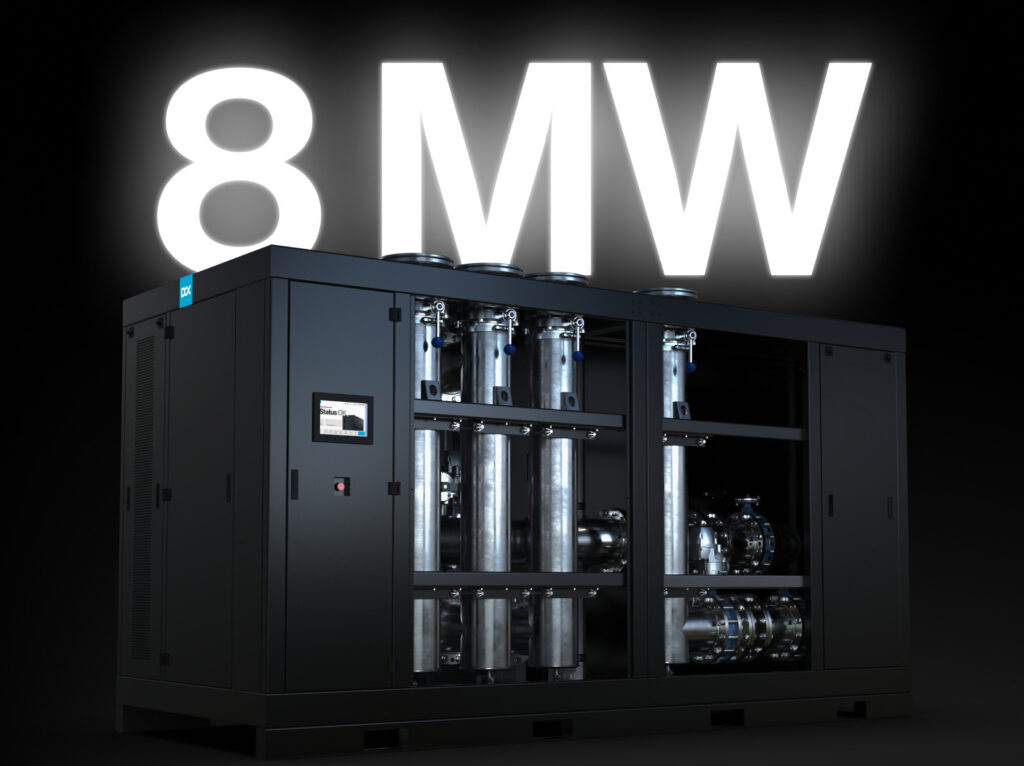
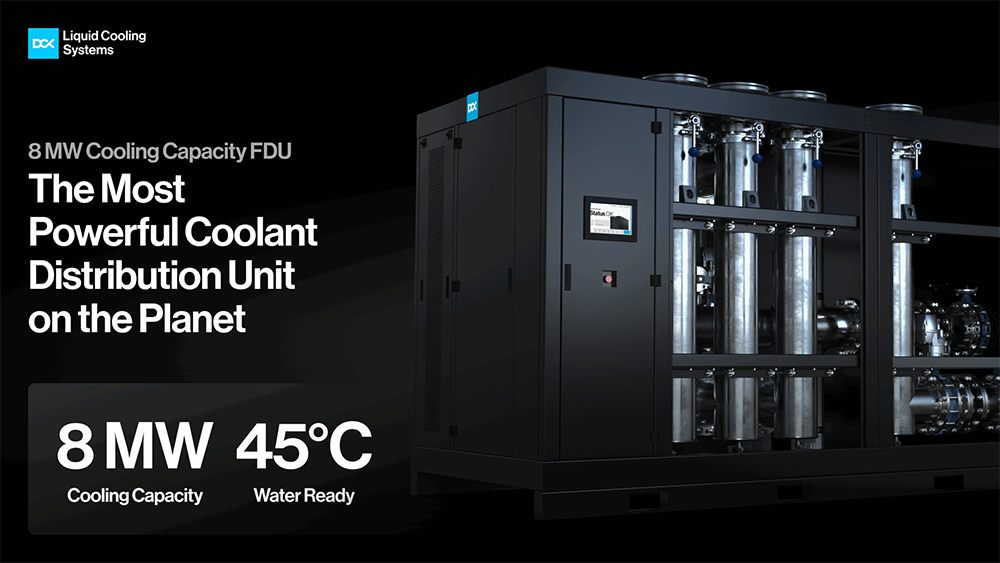
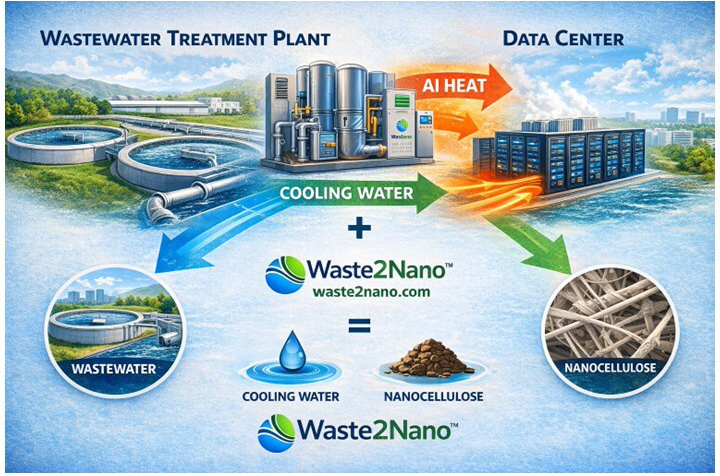
On the cooling and recovery flow, Waste2Nano says raw wastewater (sewage) supports AI cooling via closed-loop heat exchange, while sewage solids become feedstock for MC and nanocellulose high-performance cellulose materials. It also says waste heat from data centers supplies process energy for lower-cost materials production and improved plant economics. The company notes wastewater utilities face rising costs and scrutiny around biosolids and sludge management, including contaminants such as perfluoroalkyl and polyfluoroalkyl substances (PFAS) and microplastics, and says its model “redesigns these flows.”
Waste2Nano lists two deployment options: cooling-only systems, described as “cooling packages tailored to data-center load,” and integrated cooling and recovery systems, described as cooling plus “waste mining.” It also says it offers advisory services and education for municipalities, developers, and investors, and is available for conference speaking, workshops, and technical briefings. The original announcement also states Waste2Nano is seeking a US manufacturing site and 2026 pilot partners.
“Any advanced society will mine its waste – and it will use the roughly 50–70 gallons of sewage per person per day we already produce to support critical infrastructure like AI”, said Dr. Refael Aharon, CEO of Waste2Nano. “Cooling AI with drinking water makes no sense”.
“By using data-center waste heat, we can lower production costs, reduce sludge volumes, and deliver a scalable, profitable way to cool AI with raw wastewater – any location, any zip code, wherever there is a sewer”, said Dr. Refael Aharon, CEO of Waste2Nano.
Source: Waste2Nano