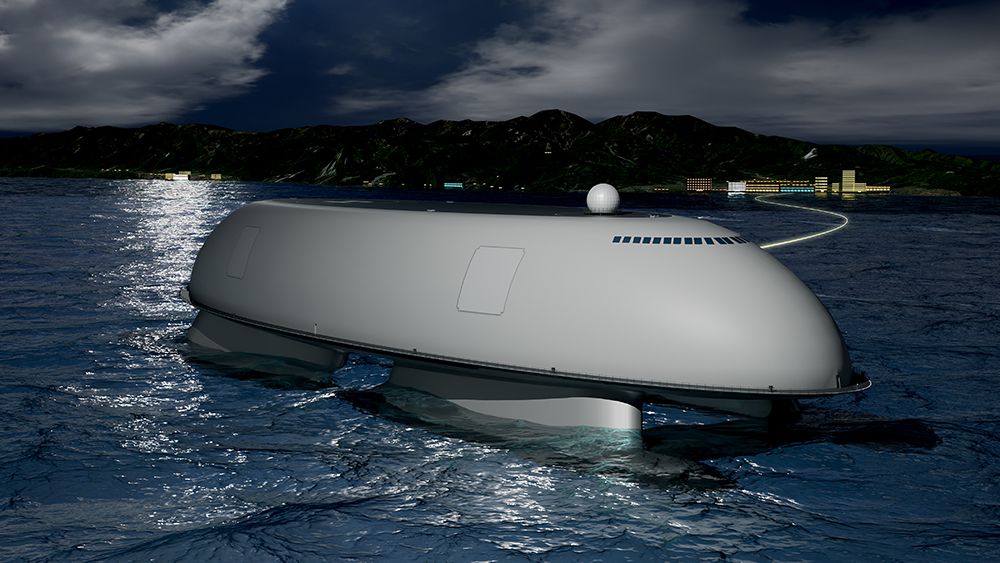

Hadron Energy has announced engineering and safety details for its Hadron Halo, a factory-built 10 megawatt-electric (MWe) micro-modular reactor designed to deliver continuous, carbon-free power for up to 10 years without refueling. The unit is based on proven pressurized-water reactor (PWR) technology, aiming to simplify licensing and accelerate deployment compared to experimental nuclear designs.
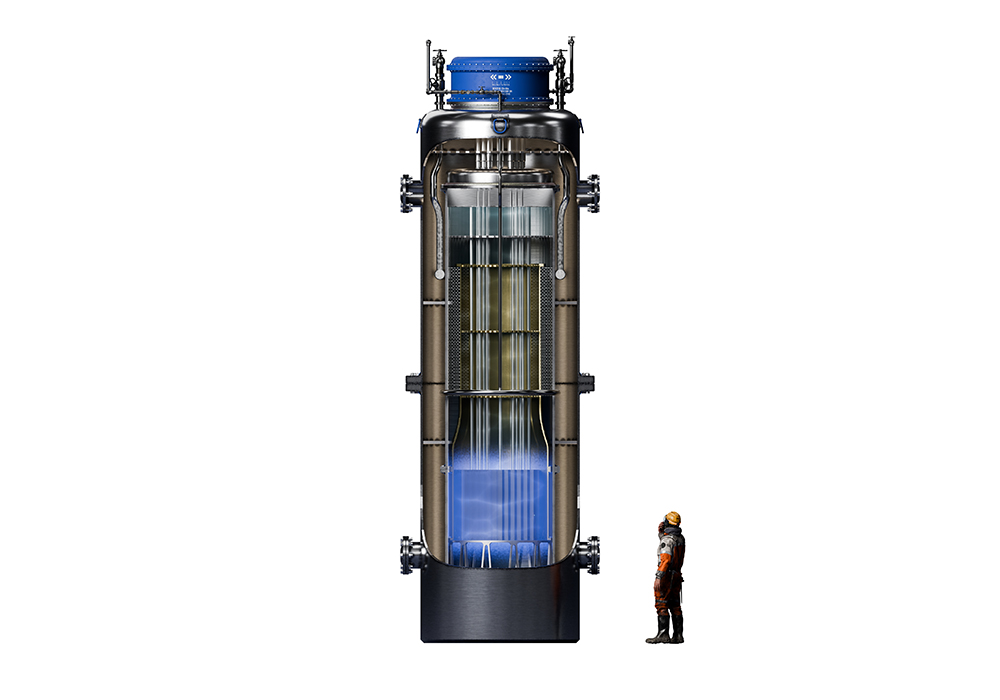
The Hadron Halo is a sealed, compact reactor engineered to operate for 50 years with a 10-year uninterrupted fuel cycle. It uses Low-Enriched Uranium Plus (LEU+), a fuel variant with slightly higher enrichment than standard commercial nuclear fuel, enabling its extended operating interval. All critical primary-loop systems—including the reactor core, steam generator, and pumps—are contained within a single pressure vessel, which minimizes external pipework and is intended to eliminate large-break coolant accident risks. The Halo operates at a lower power density than traditional plants, which Hadron Energy claims reduces mechanical stress and extends component life.
With a footprint under one acre for each 10 MWe unit, Hadron reports the Halo is significantly more compact than equivalently-rated wind or solar installations. Each reactor is assembled and tested in the factory, then transported by truck or rail for rapid on-site installation, enabling sites such as data centers, industrial facilities, or remote communities to bring nuclear power online within months instead of years, according to the company.
Hadron emphasizes its use of standard PWR technology, which comprises the majority of commercial nuclear fleet worldwide, instead of adopting more experimental sodium, gas, or molten-salt-cooled reactor architectures. The company notes these alternative technologies introduce considerable new engineering and regulatory challenges, such as increased containment complexity, demand for specialized materials, and less-established regulatory frameworks.
“Most so-called next-generation reactors have never been deployed commercially at scale and are still reinventing the wheel,” said Ross Ridenoure, Chief Nuclear Officer of Hadron Energy. “Our approach is different. We took the most commonly used reactor type in the world and reduced its size to a transportable scale. By utilizing already-approved and familiar light-water reactor technology into our design, we believe this will create shorter licensing timelines, lower costs, and faster deployment of reliable clean power.”
Hadron’s development follows the announcement of a $1.2 billion business combination agreement with GigCapital7, which, if completed, will make Hadron the first public light-water microreactor company. The Halo is positioned for applications in artificial intelligence data centers, industrial campuses, and remote sites requiring reliable, zero-emission baseload power.
Source: Hadron Energy