
PlayNitride has announced a strategic collaboration with Brillink to develop an array-based photonic interconnect intended for high-performance computing (HPC) and artificial intelligence (AI) systems. The companies say the goal is longer reach, lower power consumption, and higher bandwidth density versus existing approaches, targeting short-reach interconnects and scale-up architectures in high-density data center infrastructure.
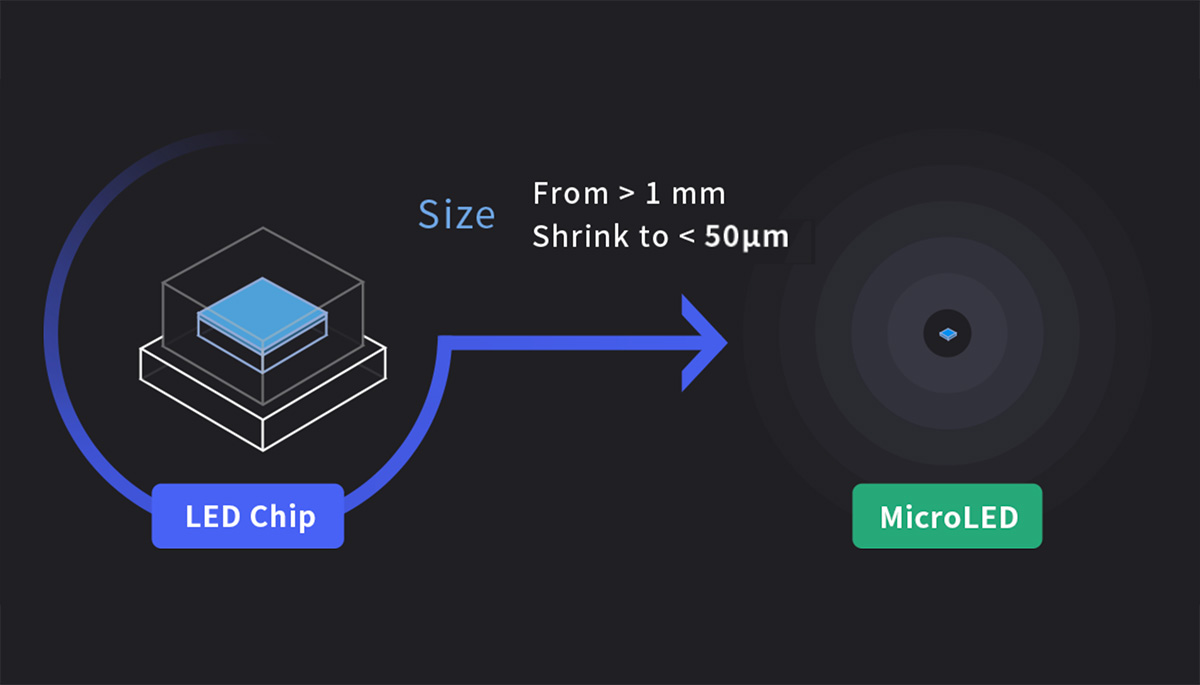
Under the collaboration, PlayNitride will contribute high-efficiency green MicroLED emitters. The company says green emitters enable longer reach, lower power, and more stable performance than blue MicroLED emitters due to lower optical loss and reduced chromatic dispersion in standard optical fibers.
Brillink says it will integrate PlayNitride’s green MicroLEDs with an ultra-sensitive germanium-silicon avalanche photodiode (GeSi APD) array, using its proprietary meta-optics and 2D Array Vertical Coupling (2D-AVC) platform. Brillink says the 2D-AVC approach is designed to improve array-alignment accuracy, manufacturability, and reliability.
The companies also claim the GeSi APD array can reduce the required emitter power to close the link. They add that scaling to higher per-channel data rates can reduce channel count, which they say improves bandwidth density in terabits per second per square millimeter (Tbps/mm²), simplifies module architecture, and lowers overall system cost.
The collaboration is positioned as an alternative to short-reach active electrical cable (AEC) links for applications under 50 m, with a stated target of less than 1 pJ/bit link power. The companies say the work is aimed at next-generation AI accelerators, HPC systems, and high-density data center infrastructure.
Source: PlayNitride