
Redaptive and Recurve have launched a joint solution aimed at helping AI data center operators get access to power faster by improving energy performance inside the data center and creating additional capacity on the surrounding grid in coordination with utilities and local communities.
The two companies are pairing Redaptive’s ability to finance and deploy energy-efficiency and distributed-generation projects with Recurve’s FLEX platform for identifying, measuring, and validating capacity creation. The goal is to create a path to additional usable capacity without relying only on long-cycle grid upgrades such as substations and transmission buildouts.
For engineers dealing with interconnect queues and power caps, the practical idea here is straightforward: treat “capacity” as something you can sometimes recover through efficiency, controls, and behind-the-meter assets, then make the result measurable enough that a utility can plan around it. That verification step matters, because utilities typically won’t count demand-side gains unless they can be quantified and audited.
How the joint solution is structured
Redaptive is handling project origination, deployment, and financing for projects intended to create new electrical capacity. Recurve’s FLEX platform provides capacity measurement and validation, quantifying and verifying the capacity created so utilities can incorporate it into planning.
Inside the data center: targeted capacity recovery
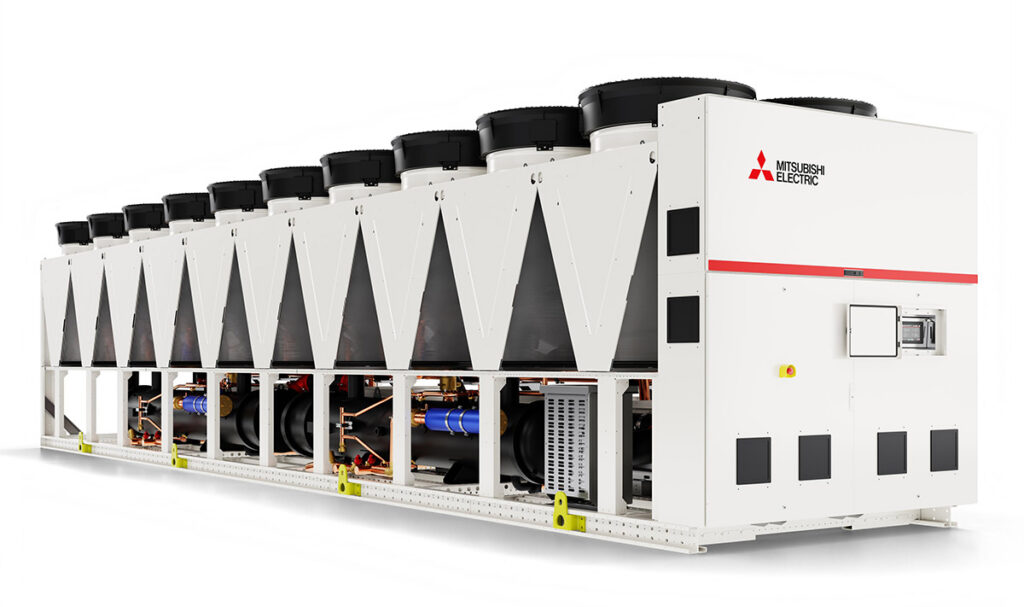
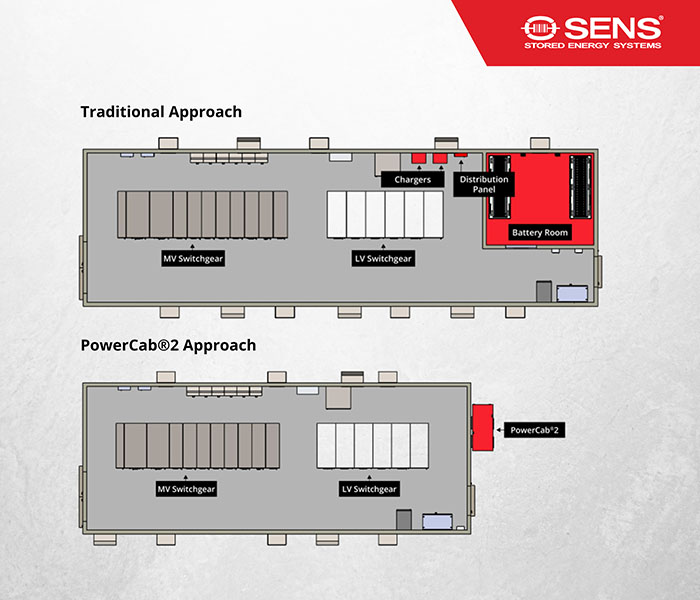
On the facility side, the solution includes cooling optimization and high-efficiency HVAC upgrades, advanced battery storage integration for peak shaving and resiliency, and energy management systems (EMS) for real-time performance monitoring and control.
Outside the fence line: portfolios of grid-facing assets
Across the surrounding grid, Redaptive plans to identify, finance, and deploy portfolios of energy assets at commercial and industrial sites. The described approaches include large-scale energy-efficiency retrofits, distributed generation such as solar and CHP plus storage, and demand response assets that can be dispatched during peak load. Recurve’s FLEX platform is used to forecast and validate where capacity can be created within data centers and across the grid, translating investments into measurable and auditable outcomes for utility capacity planning.
“Power is one of the biggest bottlenecks in data center growth right now,” said Arvin Vohra, CEO of Redaptive. Ben Mendelson, Chief Commercial Officer of Recurve, said the combined approach lets customers “unlock, measure, and validate capacity both inside the data center and across the surrounding grid.”
Source: Redaptive