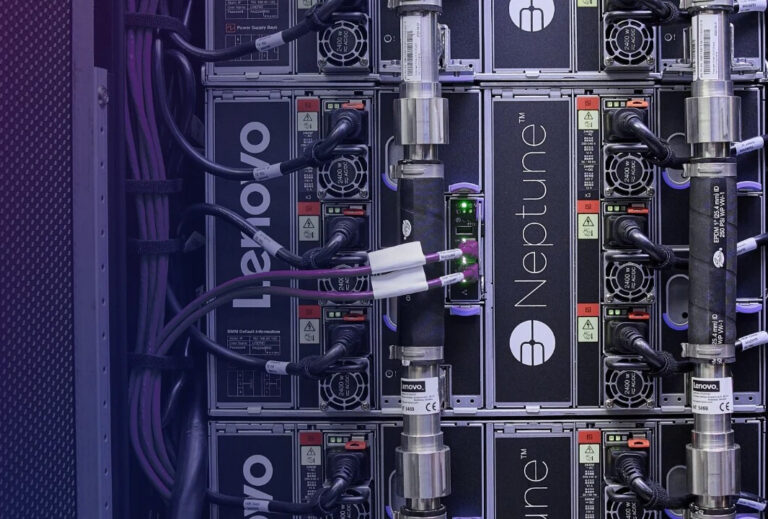
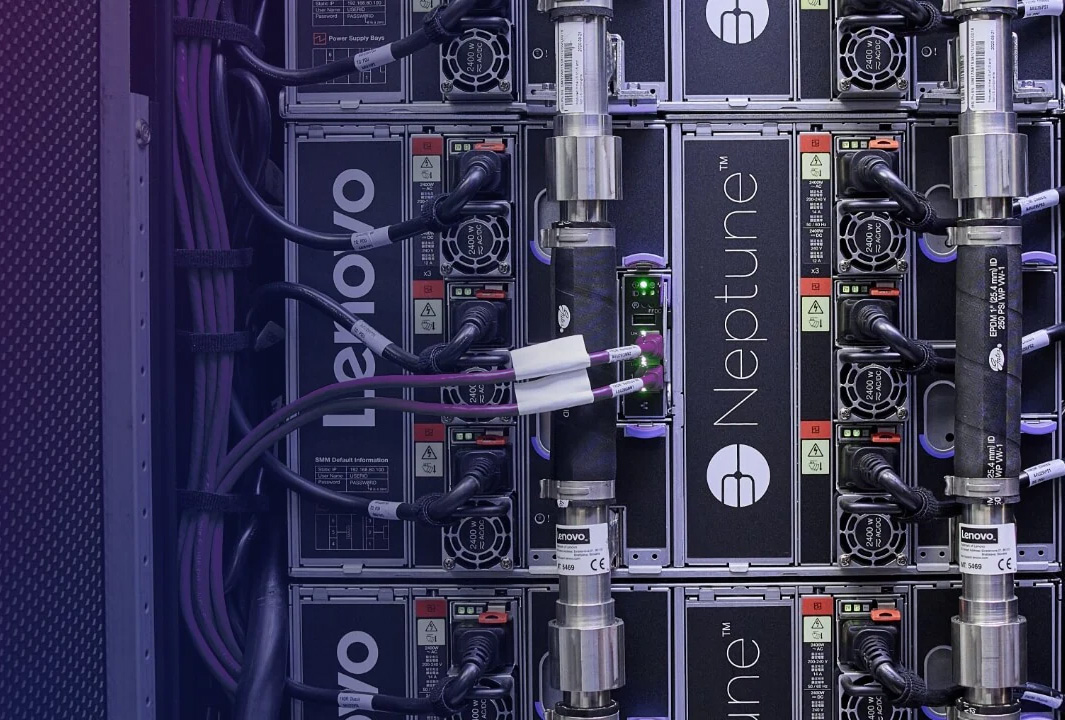
Lenovo has expanded its Neptune direct water-cooling technology across its data center portfolio, the company announced, targeting high-density workloads such as artificial intelligence (AI) and high-performance computing (HPC). Lenovo reports its Neptune-cooled systems now deliver up to 100 percent server heat removal, achieving a Power Usage Effectiveness (PUE) as low as 1.1. The company claims this innovation substantially reduces reliance on traditional air cooling and enables servers to operate using about 40 percent less power compared to air-cooled alternatives.
Lenovo states that as of November 2025, it ranks first on both the Top500 Supercomputers and Green500 lists, attributes it credits largely to the adoption of Neptune liquid cooling in its supercomputing deployments. Neptune’s sixth-generation direct water-cooling design circulates warm water—up to approximately 45 °C—directly to CPUs, GPUs, and memory. This eliminates the need for chilled water and energy-intensive air-handling units, ensuring stable operation for demanding workloads.
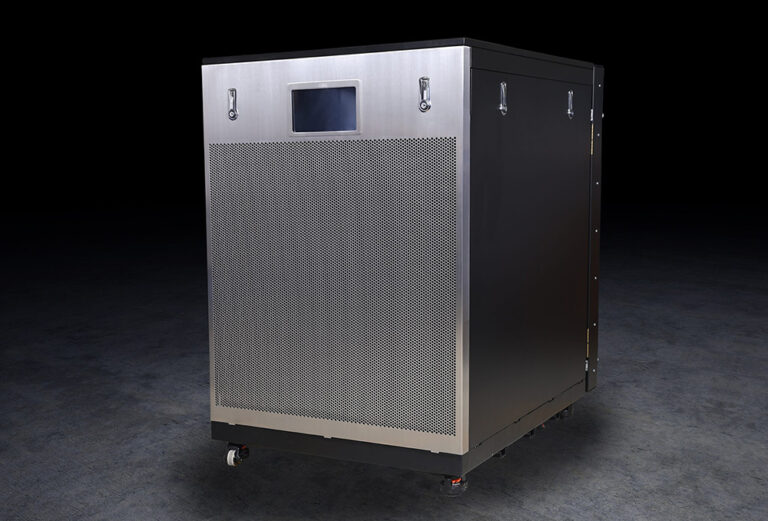
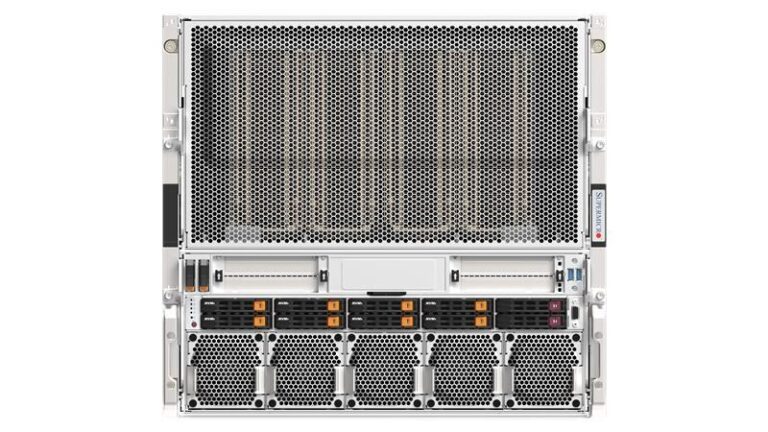
Technically, Neptune integrates direct-to-node warm-water cooling, rear door heat exchangers, and thermal transfer modules in a closed-loop architecture. Coolant flows through cold plates on processors and memory modules, rising by 10–15 °C before heat is transferred to a separate facility loop for reuse or rejection. The new vertical chassis provides 100 percent liquid cooling without power-hungry fans, which enables higher rack densities and efficient operation without specialized air conditioning.
When combined with Lenovo’s ThinkSystem and ThinkAgile servers, Neptune cooling supports reductions in total power consumption and total cost of ownership, while reliably sustaining high-density AI and HPC operations. The ThinkSystem SR780a, powered by Neptune, has attained a PUE of 1.1. Lenovo highlights deployments at DreamWorks Animation, which experienced a 20 percent increase in performance while lowering cooling requirements, as well as usage by research organizations and meteorological agencies across Asia Pacific.
“AI adoption in India is accelerating at a pace that demands a different class of infrastructure, one that supports dense compute, manages rising energy pressures, and remains reliable across diverse environments. What makes Lenovo Neptune so unique is not just its ability to remove 100% heat efficiently or reduce power use, but the way it enables customers to plan for long-term AI growth. As organizations move from pilots to production-scale AI, Neptune gives them the headroom, stability, and sustainability they need to build confidently for the future,” said Amit Luthra, Managing Director, Lenovo Infrastructure Solutions Group, India.
Source: Lenovo