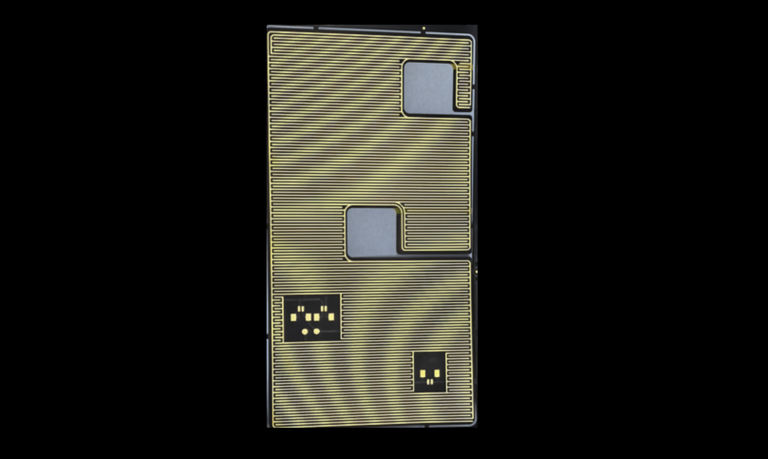

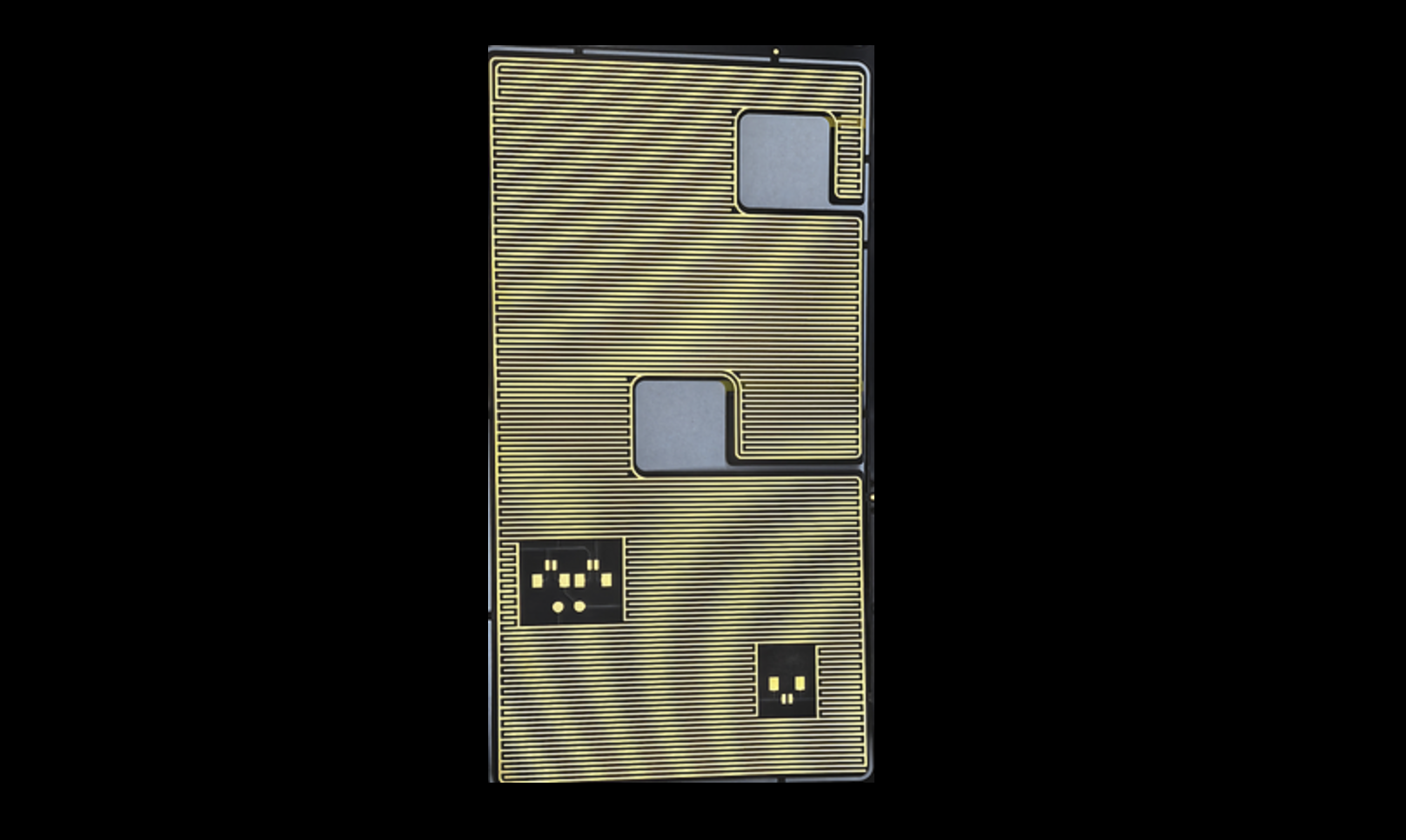
Flexible Circuit Technologies has developed a Liquid Leak Detection Flex Assembly, a custom sensing solution designed to detect coolant leaks in liquid-cooled AI servers and high-performance computing (HPC) systems. The flex circuit assembly is aimed at monitoring leak-prone points in server- and rack-level liquid-cooling hardware, including cold plates, manifolds, quick disconnects, coolant distribution units (CDUs), and related electronics.
The Liquid Leak Detection Flex Assembly is built around a thin, lightweight flex-based form factor intended to fit around the geometry of a given cooling system. For operators and OEMs pushing direct-to-chip liquid cooling, the practical value is placement: leak sensing can be brought closer to potential failure points, even in space-constrained trays and rack environments where bulky sensors are hard to route.
Flexible Circuit Technologies says the assembly can be customized by application, including sensing patterns, circuit geometry, connector interfaces, and support for multiple detection zones. The company lists potential monitoring locations including supply and return quick disconnects, GPU and CPU cold plates, manifolds, coolant lines, CDUs, and server trays. The intent is to enable OEMs and cooling-system manufacturers to integrate leak detection into their equipment, rather than relying only on facility-level leak detection.
“The rapid growth of liquid-cooled AI infrastructure is creating a new need for thin, compact, highly customized leak-detection solutions,” said Ray Cottrell, EVP of Flexible Circuit Technologies. “This concept allows us to bring that capability directly to cold plates, manifolds, quick disconnects, and server-level cooling assemblies where early detection can help protect high-value electronics.”
Flexible Circuit Technologies plans to work with server OEMs and ODMs, liquid-cooling companies, cold-plate manufacturers, thermal-management suppliers, and data-center infrastructure providers to tailor the Liquid Leak Detection Flex Assembly to specific cooling architectures. The company’s engineering team will support concept development, rapid prototyping, design-for-manufacturing, flex circuit fabrication, assembly, and scalable production.
One blunt takeaway for data center engineers: more sensing options are useful, but the hard part is integration discipline—where the sensor sits, how it routes, and how it alarms or interlocks with controls—because a leak detector that trips late (or false-trips often) doesn’t protect uptime.
Flexible Circuit Technologies describes its product portfolio as including specialty interconnects such as flexible circuits, rigid flex, flexible heaters, printed electronics and membrane switches, plastic moldings, and electronics manufacturing services.
Source: Flexible Circuit Technologies