
Phononic has announced an expanded portfolio of solid-state cooling products for data center networking, GPUs, and AI infrastructure, including high-performance cooling for 1.6T optics, a co-packaged optics thermal kit, and sampling of a next-generation GPU high-bandwidth memory (HBM) cooling solution aligned to HBM4. Phononic says its GPU HBM cooling delivers up to 0.15 Power Usage Effectiveness (PUE) savings, a five-times lifetime improvement, 40 percent greater compute performance, and a three-times return on investment (ROI), targeting operators pushing higher rack power where thermal limits can drive throttling and instability.
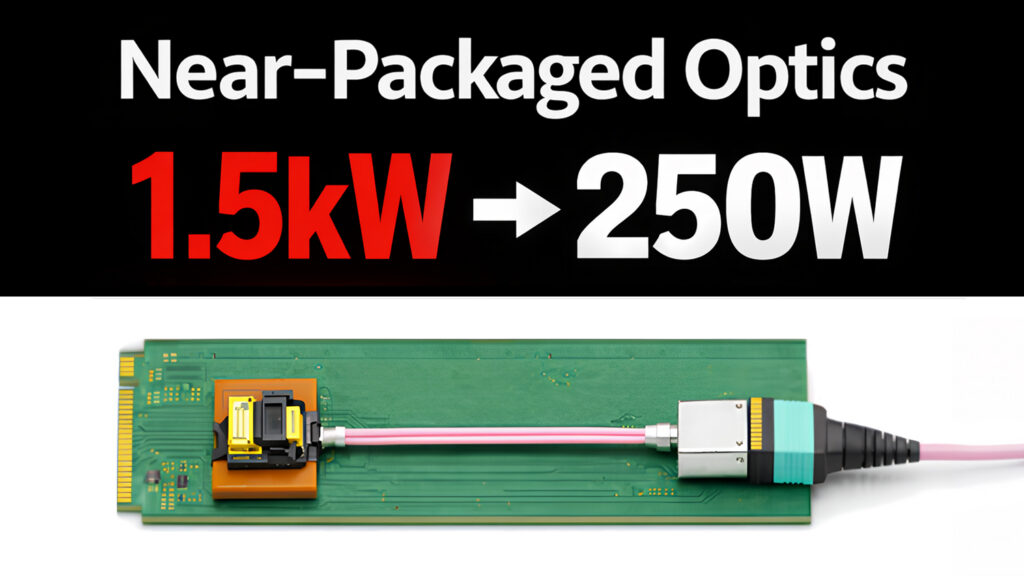
The company’s portfolio updates include three product areas it lists for AI data centers: next-generation HBM4-aligned GPU HBM cooling solutions (sampling), “Phononic High-Performance Pluggable Optics for 1.6T and Beyond,” and a “Phononic CPO-Ready Thermal Kit” for co-packaged optics (CPO). Phononic says the HBM solution enables 75 percent higher heat dissipation to support higher sustained GPU performance, reduce thermal-induced throttling, and improve overall cluster stability. For pluggable optics, Phononic says the expanded portfolio supports greater than 50 percent higher heat load while maintaining power consumption.
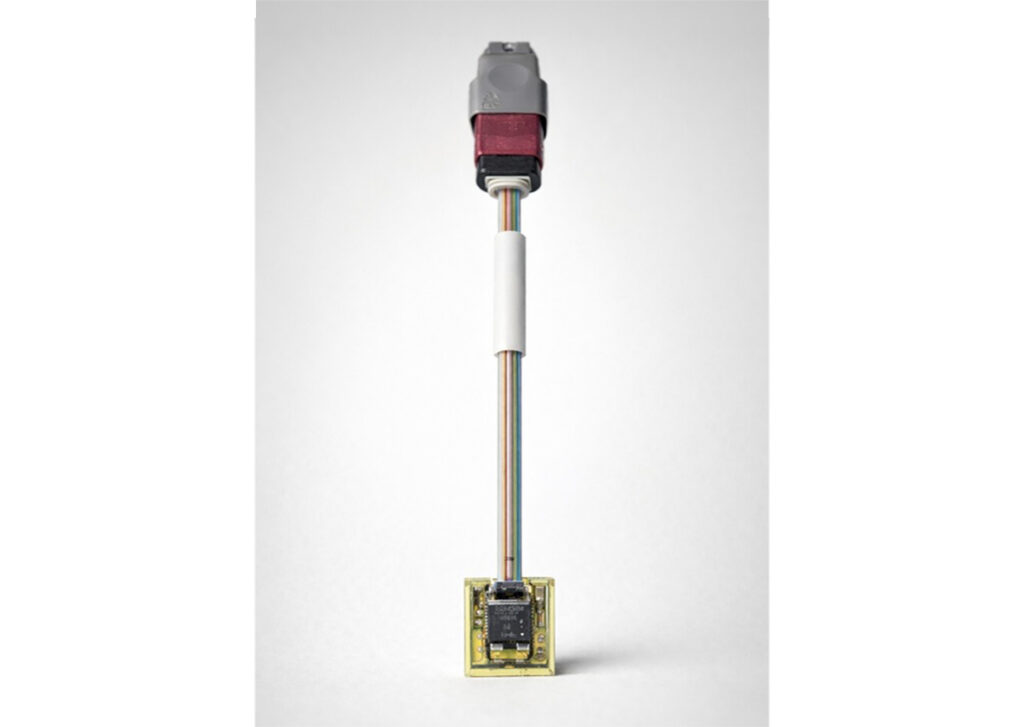
For CPO, Phononic positions its cooling approach as addressing thermal challenges of external laser sources and as “perfectly suited” for broader adoption of co-packaged optics. It says CPO cooling can unlock additional performance headroom, reduce signal-path distance and associated energy draw, and enable scale and bandwidth density for next-generation fabrics, across scale-out and scale-up applications.
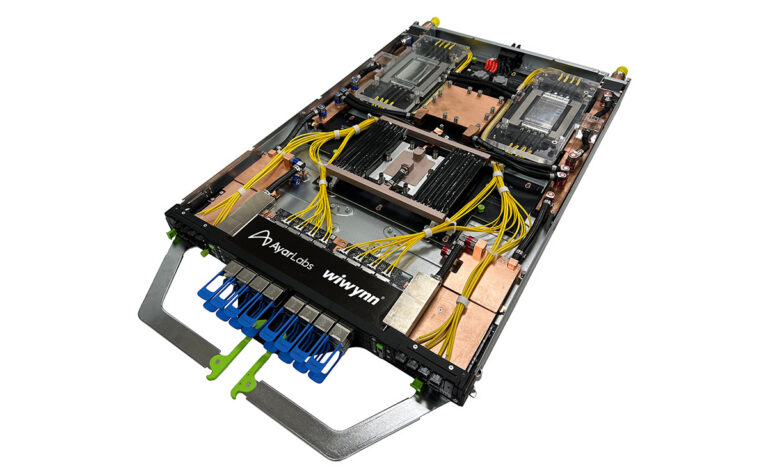
Phononic says its Gen 2 GPU HBM Cooling Solution incorporates the Phononic Thermal Kit as a core subsystem and is designed to maintain tightly regulated operating conditions under highly dynamic heat loads. Phononic reports a 75 percent increase in cooling capability, and says the solution can be integrated into existing system-level hardware, including computing nodes, chassis, and racks, allowing operators to “actively optimize PUE, compute, and lifespan variables as desired, in real-time, across the entire data center.”
“Thermal physics now sets the performance ceiling for AI infrastructure,” said Ryan Parker, President and COO of Phononic. “In modern data centers, increasing rack power results in equipment operating at thermal limits. By being this close to the thermal edge, margins are compressed and performance, energy efficiency and device lifetime erode, and are clear evidence of the instability tax at the edge. Phononic is introducing a real-time thermal control platform that transforms cooling from a reactive cost center into a system level intelligence layer without the instability tax. By converting thermal demand into a predictive signal, our Thermal Fabric enables sustained performance, extends infrastructure life, increases uptime and unlocks materially higher energy efficiency across the fleet. The next gains in AI performance will not come from more silicon alone, but from mastering the physics that governs it,”
Phononic also says its Thermal Fabric enables “true workload orchestration” by combining proactive, pre-emptive cooling with two-way telemetry that “continuously tunes thermal performance with millisecond response.” It adds that the approach can enable raising facility water temperatures while maintaining chip temperatures. Phononic plans to show the portfolio at OFC 2026 in Los Angeles, including “sampling of Phononic’s GPU HBM Cooling Solution.”
Source: Phononic