Dukosi has outlined in a recent technical article how battery energy storage systems (BESS) are becoming central to the reliability and efficiency of hyperscale and AI-driven data centers. Citing contemporary deployments and published sources, Dukosi reports that AI data center racks can now demand 30 to over 100 kilowatts per rack—significantly outpacing traditional IT loads of five to 10 kilowatts per rack. Planned hyperscale projects, such as Meta’s Prometheus (1 GW), Amazon’s Indiana AI Megasite (2.2 GW), and OpenAI/Stargate in Abu Dhabi (5 GW), exemplify the surging capacity and volatility challenges faced by operators.
The company claims that AI workloads—specifically during training phases—create dramatic, unpredictable swings in power consumption, with Google Cloud reportedly seeing load swings from 1.5 megawatts to 15 megawatts in just seconds. Such variability can destabilize both data center infrastructure and the external grid. As a mitigation strategy, Dukosi highlights BESS as an essential element to meet “five nines” (99.999 percent) uptime, supporting instantaneous response to short-term power spikes and drops, and ensuring seamless operation during grid disruptions.
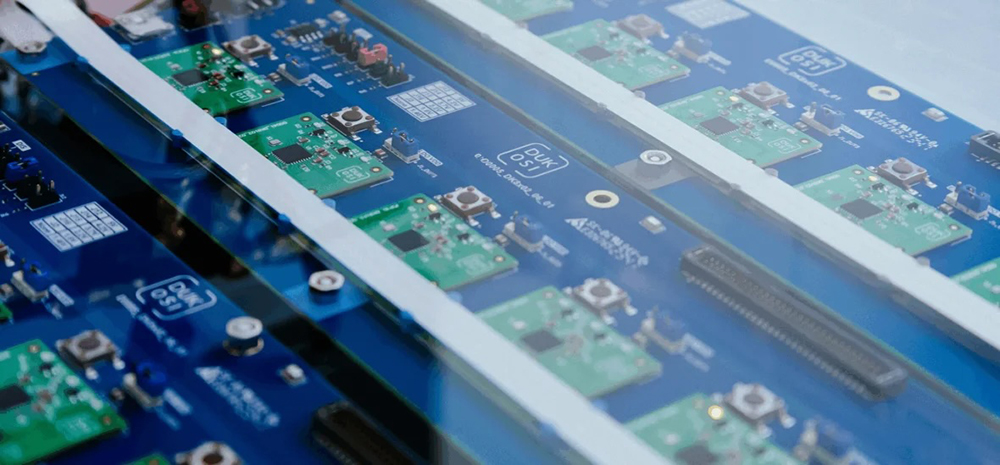
Dukosi details its own Dukosi Cell Monitoring System (DKCMS), which uses a chip-on-cell approach for high-accuracy cell voltage and three-point temperature monitoring at the cell level. The system delivers precise state of charge (SoC), state of health (SoH), and state of available power (SoP) data—key for frequency stabilization, peak shaving, and preventive maintenance. The system’s architecture eliminates conventional complex wiring in favor of a single bus antenna integrated within the battery housing, facilitating automated production lines for accelerated manufacturing, reduced labor, and increased yield.
For operators seeking resilience and cost optimization, Dukosi notes that BESS can perform load shifting—charging during off-peak periods and discharging during high price intervals—as well as enable fine-grained power control when batteries are distributed among racks. This may reduce the number of cells required and support advanced cooling integration, such as the sharing of liquid or immersion cooling systems with server and battery hardware. DKCMS also supports secure supply chain practices, using near-field contactless connectivity and on-cell data storage to enhance traceability and tamper resistance.
Dukosi references recent real-world BESS integrations, such as the deployment of 168 Tesla Megapacks at an xAI supercomputer site (over 650 megawatt-hours of energy storage) where BESS is used to manage outages and demand surges. Regulatory attention has increased, with certain jurisdictions requiring large on-site energy storage alongside uninterruptible power supply and backup generation.
For data center operators and vendors building next-generation AI infrastructure, Dukosi claims BESS equipped with advanced monitoring such as DKCMS provides a path toward improved reliability, reduced operational risks, and streamlined compliance with industry and regulatory standards.
Source: Dukosi