
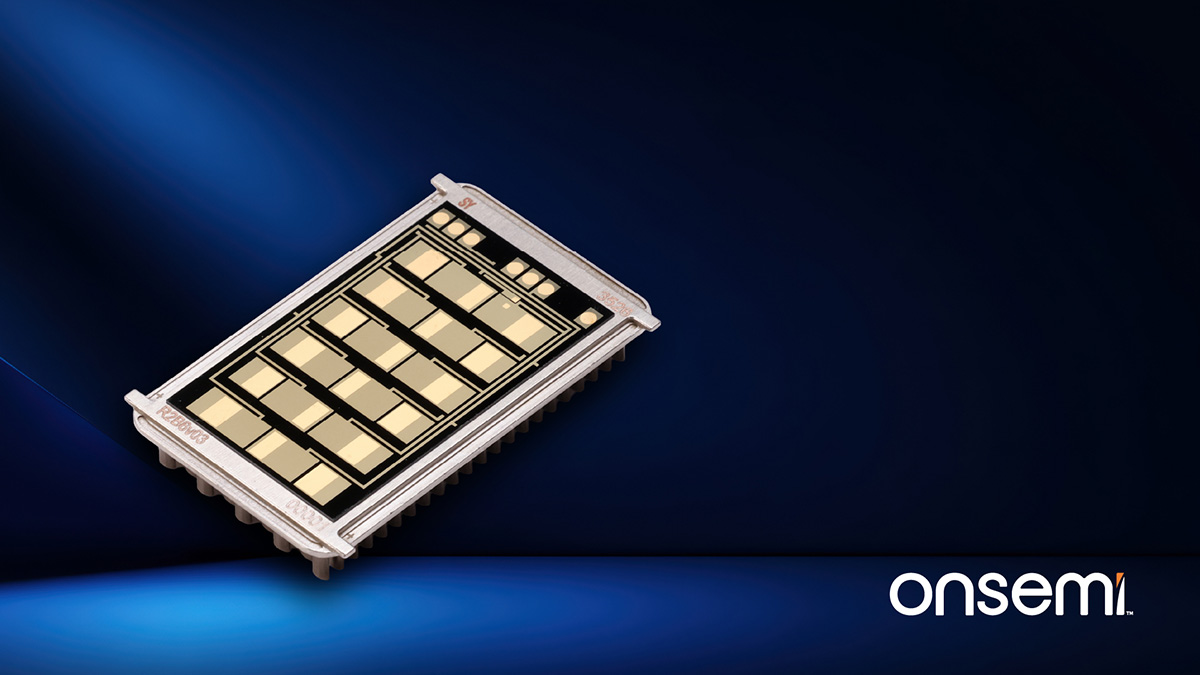
onsemi has introduced its Embedded Power Platform (EPP), a wafer-level packaging architecture that uses the silicon wafer itself as the foundation of the package and targets higher integration for power delivery in AI data centers, automotive, and industrial systems.
EPP is designed to integrate multiple dies and functions into a single package, including FETs, drivers, and controllers, and to co-optimize electrical, thermal, and mechanical characteristics as part of one architecture. The platform supports integrating silicon, silicon carbide (SiC), and gallium nitride (GaN) technologies in the same wafer-level package, with the goal of reducing packaging overhead while improving power density and heat conduction through the full EPP footprint.
onsemi cites “up to 3–5x higher power density compared with current solutions,” depending on the application, and says the co-design approach is intended to reduce development complexity and speed development cycles “to as little as four months.” The company also ties the architecture to lower parasitic inductance (to reduce electrical losses) and to enabling higher switching frequencies through tighter integration.
But the practical engineering question for data center operators is where EPP lands first in real hardware. onsemi points to an early EPP-based solid-state circuit-breaker design, saying it was approximately 50% smaller and 20% cooler than existing designs. If those deltas translate into deployable products at scale, they could directly impact rack-level power distribution layouts, especially as AI rack power rises and power conversion and protection gear consumes more physical volume and thermal budget.
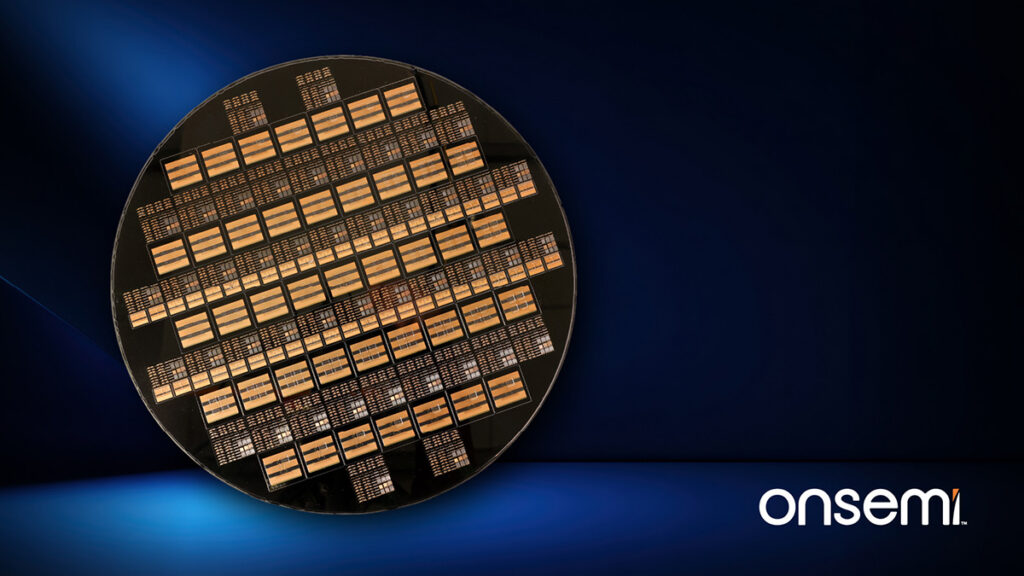
EPP is built around onsemi’s 12-inch silicon wafer manufacturing, bringing key integration processes into the semiconductor fab and using semiconductor design tools, wafer-level manufacturing, and simulation for power-system integration. For engineers, that combination hints at a tighter loop between device design and packaging thermal behavior, which is often where high-density power designs get boxed in.
onsemi also named Subaru Corporation as an early engagement partner to evaluate EPP for future electrified vehicle architectures. Subaru will get early access to engineering samples, simulation models, and technical support as the companies assess potential impacts on performance and development workflows.
Sampling is expected to begin in 2026 with strategic customers and ecosystem participants across automotive and AI applications.
Source: onsemi