

Where you put the coolant distribution unit (CDU) can materially affect how much backup power hardware you need and how that redundancy is designed. Elvis Leka, New Product Development Engineer at Parker’s Sporlan Division, walked through two scenarios in a recent interview with The Data Center Engineer that show how quickly the math diverges.
The reason is straightforward: if the CDU’s pumps or controls lose power during a utility event, coolant flow to the rack can be interrupted, turning a thermal-management issue into an uptime issue.
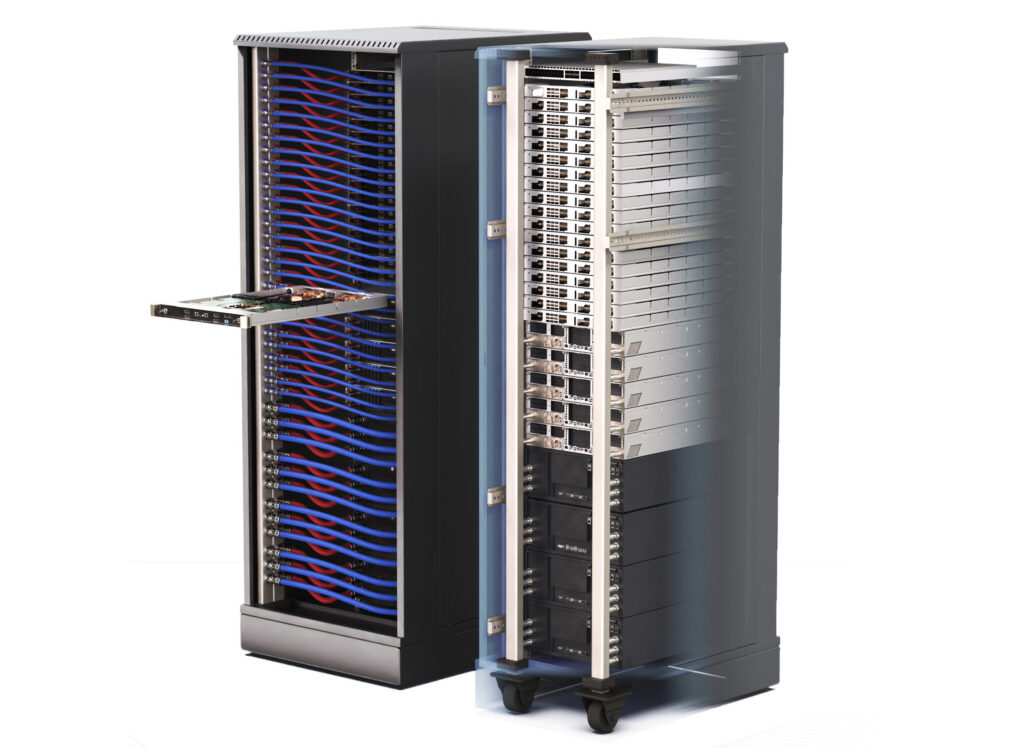
In the first scenario, three racks each have their own CDU installed inside the rack, and that CDU becomes part of the backup-power design. As Leka described it, once the rack includes critical cooling hardware that also has to ride through a power event, designers may choose two UPS-backed rack power paths or, in some architectures, a second rack-level UPS. In Leka’s three-rack example, that can push the count to six UPS units.
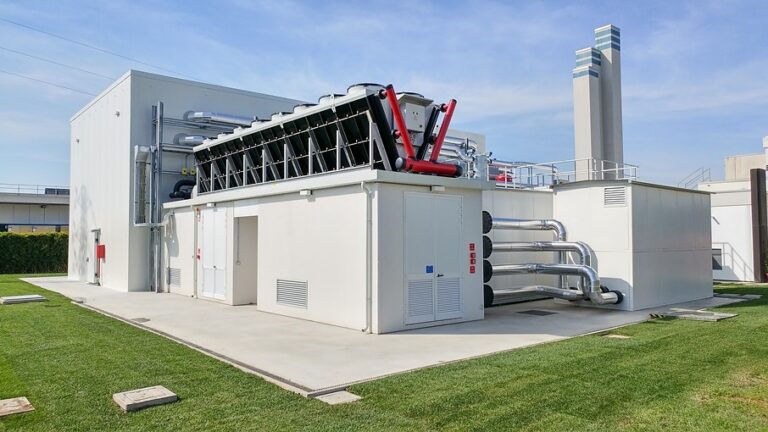
In the second scenario, one CDU sits outside the racks and serves all three. Each rack gets one UPS, and the CDU gets one, for four UPS units instead of six in the first example. The cost advantage is real, and the architecture may also offer redundancy benefits depending on how the electrical distribution and transfer scheme are engineered. A shared cooling loop by itself does not automatically mean any one UPS can support any other load; that only works if the power architecture is explicitly designed to allow it.
Watch the full interview
Leka’s point was that a shared-CDU architecture can reduce the amount of dedicated backup hardware required, depending on how the rack and CDU power domains are tied together. “So you’re saving on UPSs, and UPS for these systems are very, very expensive,” he said.
That is the key engineering point: CDU placement is not just a plumbing decision. It also affects how backup power is allocated, what gets centralized, and where cost and complexity show up. An in-rack CDU can simplify local piping, but it can also increase the amount of rack-level backup hardware you need. A shared CDU adds external piping runs between the CDU and the racks it serves, but it can reduce equipment count and centralize parts of the redundancy strategy.
The tradeoff is failure domain and serviceability. If one shared CDU supports multiple racks, a CDU fault or maintenance event can affect more than one rack unless the system includes redundant CDU capacity, bypass capability, or some other way to preserve flow.
Three loops, and a retrofit problem many sites still have
The CDU math only matters if the facility can support liquid cooling at all. Leka’s point was that many existing air-cooled sites were not built with the rack-level liquid-cooling distribution needed for modern direct-to-chip deployments. “The plumbing is not there,” he said.
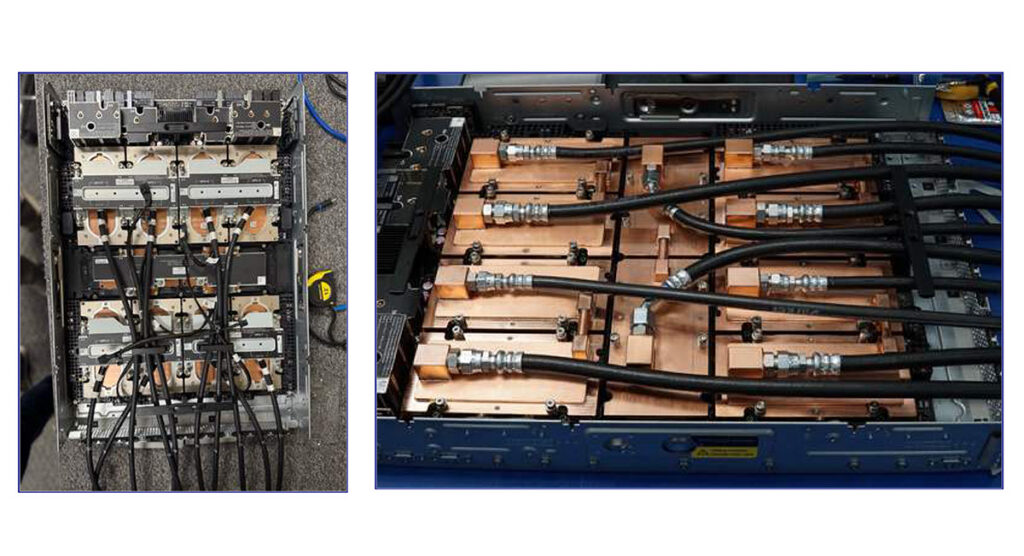
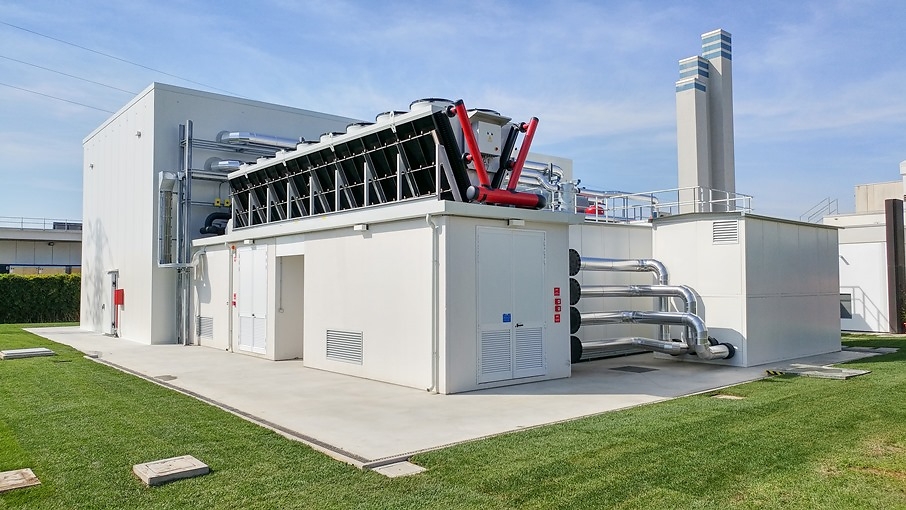
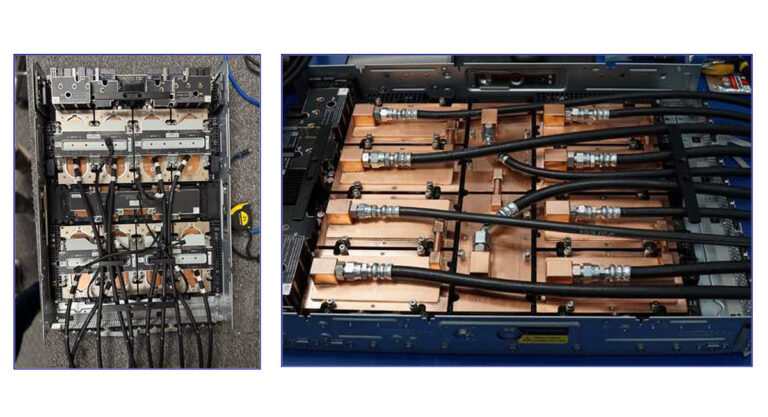
Liquid-cooled facilities need three distinct cooling loops. The first runs from the cold plate on the chip to the rack manifold. The second connects the rack to the CDU. The third takes heat from the CDU out to the chiller or dry cooler. Many existing air-cooled facilities do not have this rack-level and white-space liquid-cooling plumbing in place. At the facility level, the issue is often not whether water exists somewhere on site, but whether the building has the secondary distribution, manifolds, leak detection, routing space, and service strategy needed to support liquid-cooled racks.
“If you are trying to retrofit an existing facility, you have to make sure all that plumbing is put in place,” Leka said. On retrofit readiness, Leka’s answer was blunt: for many existing air-cooled sites, not without significant plumbing work.
That three-loop architecture also helps explain why CDU placement matters so much. The CDU sits at the junction of two of those three loops. Where it goes strongly influences pipe runs, pump sizing, service access, and, as the UPS math shows, backup-power requirements. Getting that placement wrong means rework across multiple systems.
For engineers specifying CDU architecture, the lesson is to evaluate the backup-power scheme and the plumbing layout together before locking either one. The lowest-equipment-count option may not be the simplest to pipe, and the cleanest piping layout may not align with the redundancy strategy, service model, or failure domain the site actually needs.