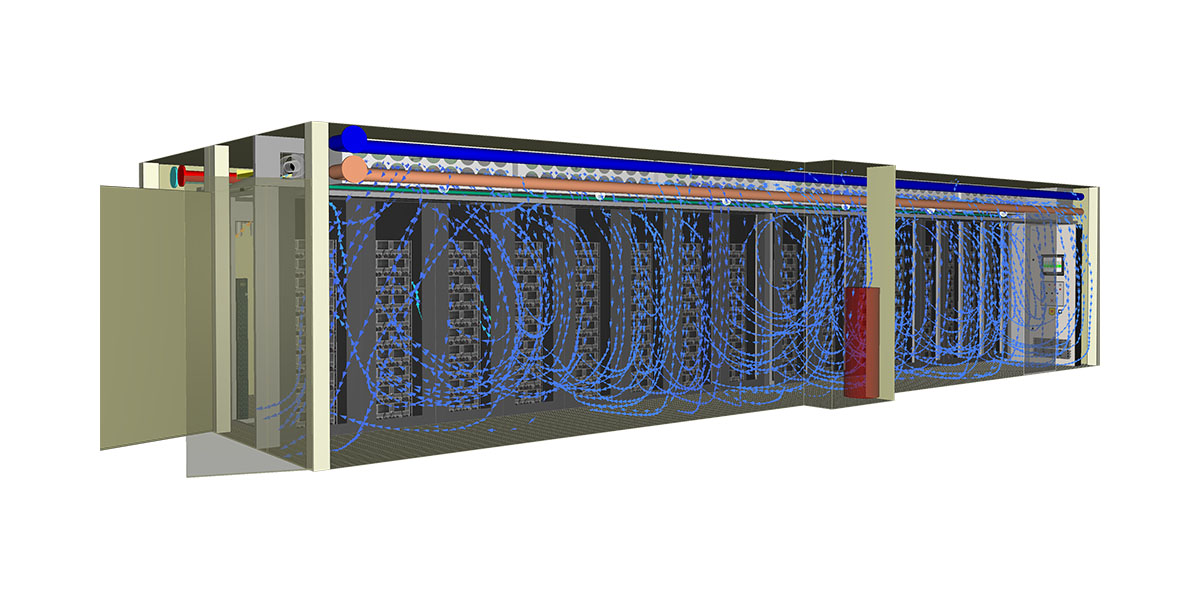
Cadence and HPE have expanded their collaboration around digital twin-driven data center modernization, targeting next-generation AI and high-performance computing (HPC) facilities. The effort pairs the Cadence Reality Digital Twin Platform with HPE’s data center modernization services, aiming to improve planning, optimization, and lifecycle operations as operators deal with rising rack densities and more complex cooling architectures.
The collaboration centers on the Cadence Reality Digital Twin Platform, which virtualizes data center environments using AI, HPC, and physics-based simulation. Cadence and HPE say the combined approach is intended to optimize end-to-end computational throughput and deliver “engineering-grade” insights that can be applied across design and operations.
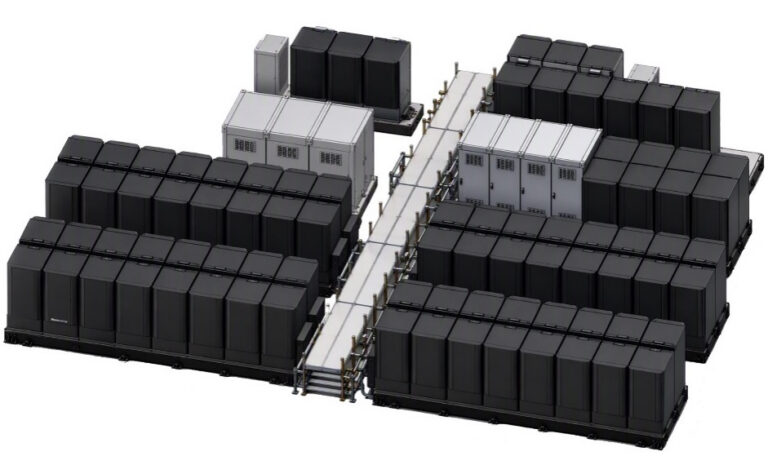
HPE is also standardizing the platform within its AI-focused modular data center offering, HPE Data Center Services – AI Mod POD. Cadence and HPE say that standardization improves total cost of ownership, speeds deployment, and increases operational efficiency.
Digital twins are becoming a practical tool in the AI data center toolchain because they let engineering teams test power, airflow, and cooling behavior before committing to physical infrastructure changes. That matters most when changes are expensive or slow to reverse, like CDU sizing, containment strategy, or rebalancing power delivery across a high-density row.
Sherman Ikemoto, Group Director at Cadence, said, “As AI reshapes data center requirements, digital twins provide a powerful foundation for designing and operating high-performing infrastructure… reducing risk while improving energy efficiency and supporting customers’ sustainability ambitions.”
Digital twin use cases Cadence outlined
Cadence said it will introduce digital twin-based solutions spanning design, deployment, and operations. The company described using high-fidelity digital twins to validate facility decisions against power, space, cooling, and IT sustainability targets before committing to physical infrastructure, with the goal of maximizing tokens-per-watt performance.
For deployments tied to AI Mod POD and related AI data center solutions, Cadence pointed to the Cadence Reality DC Elements Design Library for evaluating deployment scenarios in advance. Cadence said the library’s digital models include the now available NVIDIA GB300 NVL72 and the upcoming NVIDIA Vera Rubin NVL72.
Cadence also described using predictive modeling to reduce stranded capacity by forecasting power and cooling behavior ahead of configuration changes or workload shifts. On the operations side, it highlighted “what-if” scenarios for long-term capacity planning, energy optimization, and failure or upgrade planning.
Paul Nelson, Global Director, IT Sustainability & Data Center Services at HPE, said, “By deepening the collaboration with Cadence, we bring engineering-grade digital twin capabilities to customers so they can optimize capacity, energy efficiency, and operational decisions across the data center lifecycle.”
Source: Cadence.