
AMPERA rolled out a “Power Now. Nuclear Next.” strategy built around its proprietary Integrated Energy Architecture, an integrated platform the company says is designed to deliver high-efficiency power generation in the near term while accelerating the rollout of its advanced nuclear technology for future deployments.
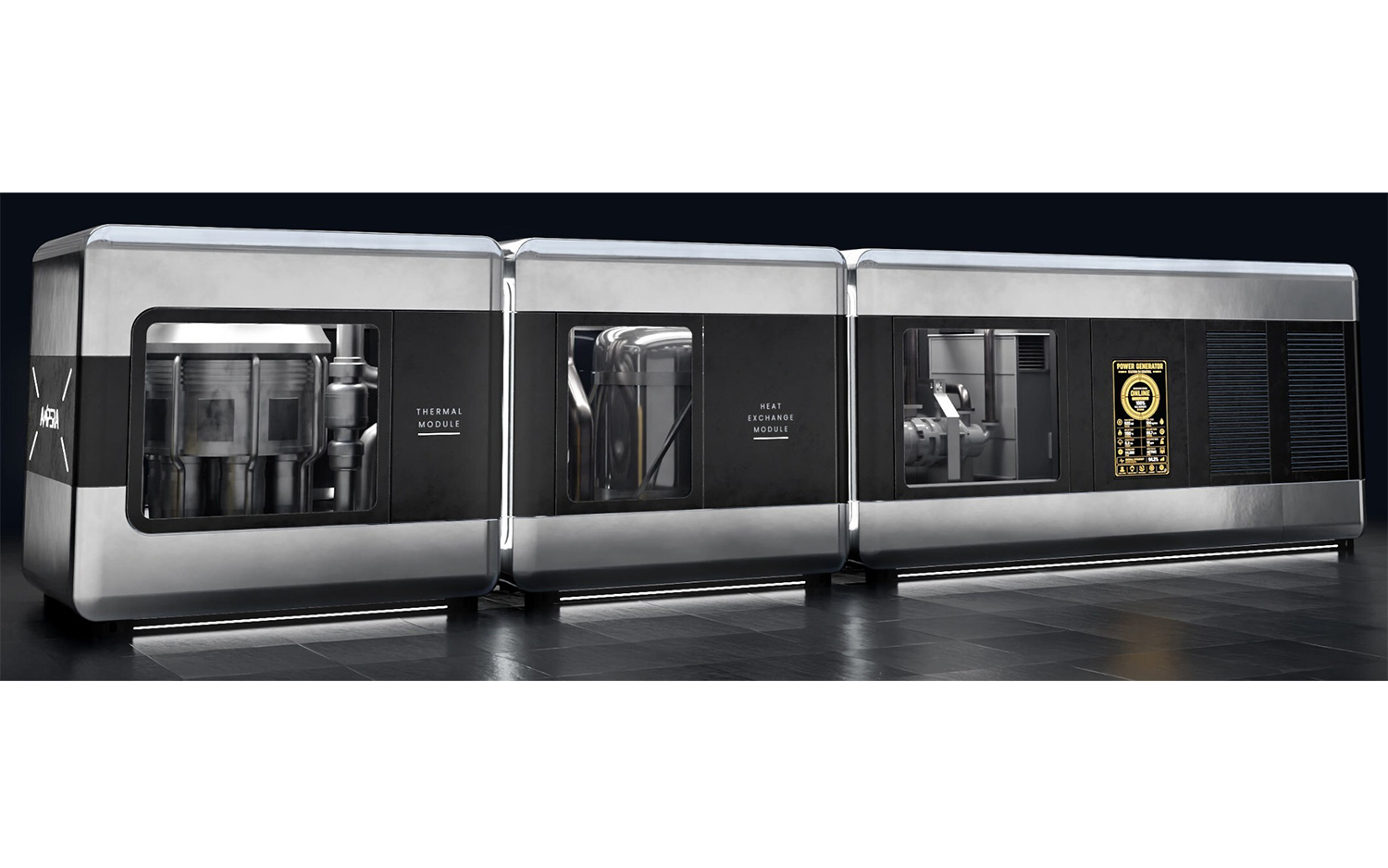
The Integrated Energy Architecture is built to use multiple heat sources through what AMPERA describes as a common ultra-high-efficiency power conversion system. The company describes the architecture as combining advanced power conversion, digital engineering, artificial intelligence, and modular system design into a single scalable platform intended to support deployments now and a later migration to nuclear integration.
For data center operators, the practical implication is that AMPERA is pitching one platform that can start with non-nuclear generation (or waste heat recovery) and later transition to nuclear, rather than treating advanced nuclear as a standalone “wait for it” project. But the key engineering questions will come down to the specific conversion performance, siting and interconnect requirements, and what “seamless” integration means in real commissioning terms—details that aren’t defined here.
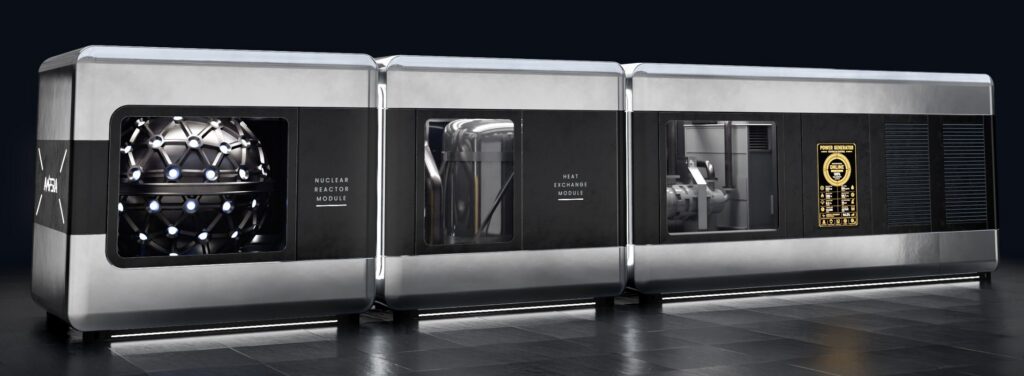
AMPERA groups the platform into three solution tracks:
- Waste Heat Recovery: The company says the system converts previously wasted thermal energy from industrial facilities, data centers, and other large energy users into electricity.
- Conventional-Fueled Power Generation: AMPERA says the platform can provide dispatchable power using fuels such as natural gas, targeting data centers, defense installations, industrial facilities, and maritime applications.
- Advanced Nuclear Energy: AMPERA describes its nuclear approach as an “ultra-safe, factory-built, subcritical microreactor” designed to provide decades of carbon-free power without onsite refueling, with high energy density and operational safety.
AMPERA says its initial systems are expected to provide up to 30 MWe, with larger configurations planned as the platform evolves. The company expects to begin customer deployments before the end of 2027.
“The world cannot wait for the future of energy—it needs more power today,” said Brian Matthews, founder and CEO of AMPERA. “Through our Integrated Energy Architecture, we can immediately deploy highly efficient power generation systems while accelerating the commercialization of advanced nuclear energy.”
AMPERA also highlighted a NeuralTwin initiative that applies AI to system design, optimization, operations, and lifecycle management, which the company says is intended to make the platform improve over time.
Source: AMPERA