
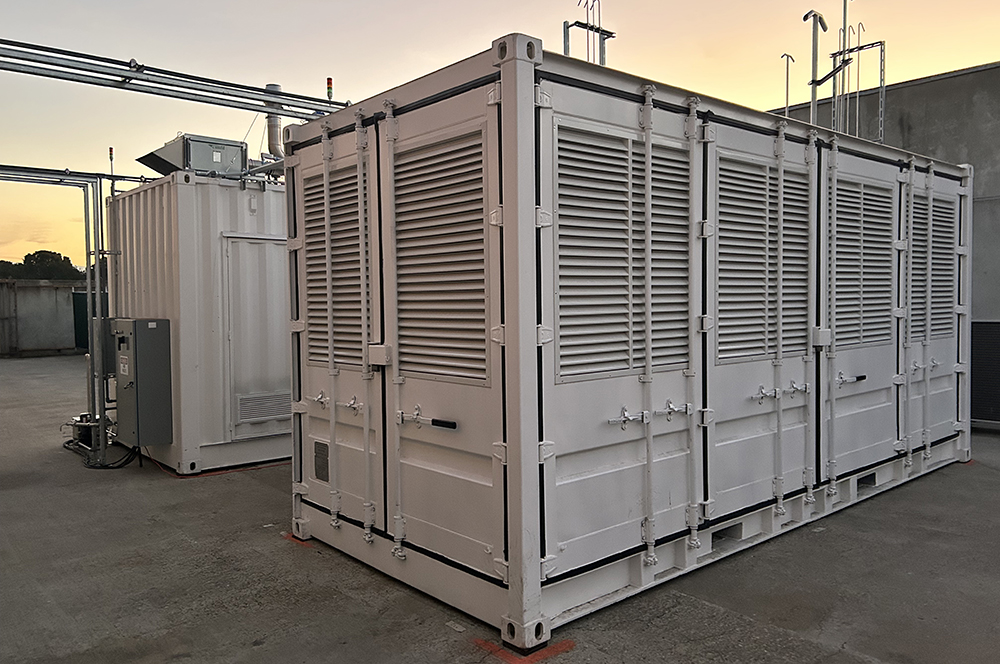
Noon Energy and Meta have agreed to reserve up to 1 GW / 100 GWh of 100+ hour energy storage capacity aimed at data center power needs. The collaboration starts with an initial 25 MW / 2.5 GWh project that’s scheduled for completion by 2028, with a broader supply contract ramping after that project’s success.
The technology Noon is bringing is a modular, reversible solid oxide fuel cell energy storage system designed for 100+ hour discharge durations. Noon describes the systems as capable of storing and discharging energy for multi-day periods, targeting periods when intermittent renewable generation is low, with the goal of providing “24/7 baseload clean energy.”
For data center operators, the practical point is the duration: multi-day storage is a different tool than the 1–4 hour systems typically used for short peaking and smoothing. If Noon’s 25 MW / 2.5 GWh build performs as intended, it would offer a way to shift larger blocks of energy across longer renewable lulls, which matters when load growth is being driven by AI infrastructure and grid capacity upgrades can take years.
Noon co-founder and CEO Chris Graves said, “Data centers stand as one of the best applications for Noon’s battery system, and we look forward to working with Meta on building production capacity and an ultra-LDES supply chain in the years ahead.” Meta VP of Energy and Sustainability Nat Sahlstrom said, “Our agreement with Noon advances that goal with a storage technology that delivers grid resilience and firm power.” Noon said it will soon begin developing the initial 25 MW / 2.5 GWh project.
Noon Energy was founded in 2018 and says its approach stores energy using abundant elements such as carbon and oxygen, rather than metals like lithium.
Source: Noon Energy